
Many of us have spent years pouring over the latest interior design magazines, envying the exposure top designers get for their very best projects. How satisfying it must be to see all the hours of hard work and the myriad of professional decisions we've pumped into a project result in having it printed in a glossy color magazine!Get Your Projects Published
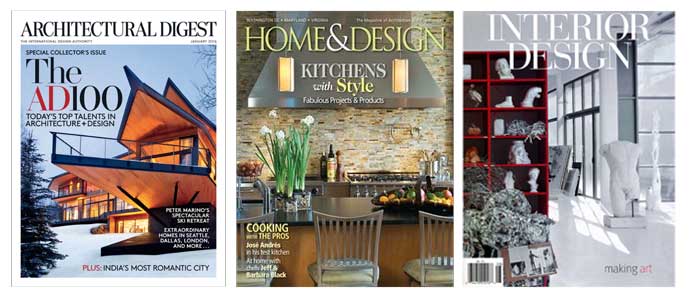
You don't have to be among the interior design elite to be featured amongst the pages of such popular publications as Interior Design Magazine, Elle Décor, Belle and Real Living. In fact, many magazines are more than happy to share with us the tips and procedures for submitting a project to be considered for a magazine feature. To get a qualified and deserving project showcased in one of these high-end magazines simply takes a little finesse and a lot of determination.
First, it's important to pitch the right story angle to the right demographic. For example, just because the home appears to be a perfect fit for a magazine such as Elle Décor, the photography style might be completely off compared to that of their typical interior design features. Likewise, while a story may seem to be one which would resonate with readership of Real Living, it may not be sophisticated enough for Design Magazine. Remember, it's important to consider not only the publication and the editor you're pitching to but also the readers who pick up a magazine with certain expectations of what they'll see inside.
To make the right pitch to the right publication takes a little homework. Familiarize yourself with the magazine you're interested in pitching. Read issues from the past year and get a real feel for their style and level of design. It's also helpful to know what types of projects have been featured in the past year or so. For instance, if a magazine published a gorgeous spread on a Hamptons renovation last year, it's unlikely the editor would consider a similar project in that vicinity for quite some time. Editors can quickly ascertain whether a designer is familiar with their publication based on the projects they pitch. Don't be caught off guard!
Of course the competition for getting published is fierce. Take Belle, for example. Each year the magazine receives around 1,000 house submissions from around the world. Of those, a mere 50 to 60 make it into the magazine's glossy pages. Those that are selected have several things in common: the project fits the magazine's format, the style of photography is on point, and the proposed feature article speaks directly to the typical reader of that publication.
Likewise, traditional print magazines face tough challenges in today's economy; added to the competition of new venues like online magazines, Houzz and Pinterest. This competitive environment has lead to the closing of some magazines and consolidation within publishers. All in all, the number and page count of projects printed each year is reduced. So while the competition for placement in magazines is still strong, designers vie for fewer pages.
And don't spend a fortune hiring a professional photographer just yet. "Snapshots are fine, because if an interior is right for the magazine it will shine though, regardless of the form of the submission," says Neale Whitaker of Belle. "On a practical note, we prefer interiors to be sent through as `storyboards' or as a collection of PDFs in a single email rather than individual emails, one room at a time. Lo-res images please! We can always go back for hi-res later. And if the file is huge, it's a worthwhile courtesy to let us know in advance that it's being sent. There's nothing more frustrating than an inbox being jammed with huge files of unsolicited submissions."
Yet another helpful tidbit is knowing what a particular publication has planned for the upcoming year. That information is gathered into what is known in the publishing industry as an "editorial calendar." While knowing the basic focus of each issue is typically very useful for advertising purposes, it can also be key to a successful pitch. If you know, for example, that the editorial calendar for the summer issue of Elle Décor includes a focus on waterfront properties, you can pitch a project that fits right into their plan. Many publications make that information readily available, though you might have to do a little detective work on their website.
It's important that you don't get discouraged by a few unsuccessful pitches. Some people have dozens and dozens of rejections before finding just the right fit for just the right publication at just the right time. Also, be patient! It could be days or weeks before you receive a response to a pitch - magazine offices get hectic when print deadlines are looming. And finally, remember to be courteous, even gracious, when you receive a response, even if it isn't the news you want to hear. An editor who says no today just might say yes to a different project later in the year.
Here are some additional tips:
Pitch one media outlet at a time
Editors can spot blanket pitches immediately--especially when they begin with a highly impersonal Dear Editor. When it comes to exclusivity, every publication has its own criteria. Many will run something that has been published, but others--like Rue and Lonny--won't.What editors love (and loathe) in a pitch
Most editors prefer to receive pitches via email. The best emailed pitches include a short bit of copy (less than 300 words), and cover all the basics: the name of the designer and/or architect along with the location and the goal of the project. Once the email is sent, give editors some time to process it. Nothing can sour a great pitch like overzealous follow-ups.
A great pitch is just the beginning
Once you've reached out to editors, there are steps you can take to increase your visibility such as keeping your website up to date. An updated portfolio website or blog highlighting recent projects and news is helpful to any editor seeking out new projects.
Getting the editorial coverage you want can take time. But for designers who are committed, it can be well worth the effort. The mistake many designers make is that they only market themselves when business is slow. Time needs to be allotted every week to make sure the word is being spread about what they're doing, whether that's through social media, postcards of recent work, or email newsletters. You never know what will catch an editor's eye.
Looking to pitch one of these magazines or sites? You can contact:
Atlanta Homes & Lifestyles: editor@AtlantaHomesMag.com
Design Milk: info@design-milk.com
ELLE DECOR: EDsubmissions@hearst.com
Lonny: editors.lonny@livingly.com
New York Magazine: Wendy.goodman@nymag.com
Rue: info@ruemag.com