
Some Thoughts On … Modernity
By Carl Dellatore
.jpg)
I am in the process of developing a new book proposal on modernity in interior design, a concept that is often misunderstood.
When discussing modernity, there are so many tropes floating around in the cultural soup: minimalism, the less-is-more aesthetic espoused by Mies van der Rohe; simplicity, and the form follows function concept developed by Louis Sullivan; and humble, authentic materials, such as stone, wood and textural fabrics.
And yet, what’s considered “modern” is as difficult to define as describing the color of falling rain.
The designer and architect Alan Wanzenberg wrote an excellent definition of modernity in my book “Interior Design Master Class: 100 Lessons from America’s Finest Designers on the Art of Decoration.” He said, “Modernity is more than an attitude. It is a look at the world that incorporates all its myriad elements into life in an essential way, giving pleasure and meaning. Modernity demands an edit of all that’s available, paring the choices down to what’s necessary. It’s not about novelty or trend. It can be about what’s contemporary, but that is not its preoccupation; it is about determining how and with what we live. It is the here and now. To possess modernity, one must live in the present.”
With that definition, Wanzenberg separates the ubiquitous midcentury modernity from any other period in the decorative arts because, in the end, modernity is experienced in the now.
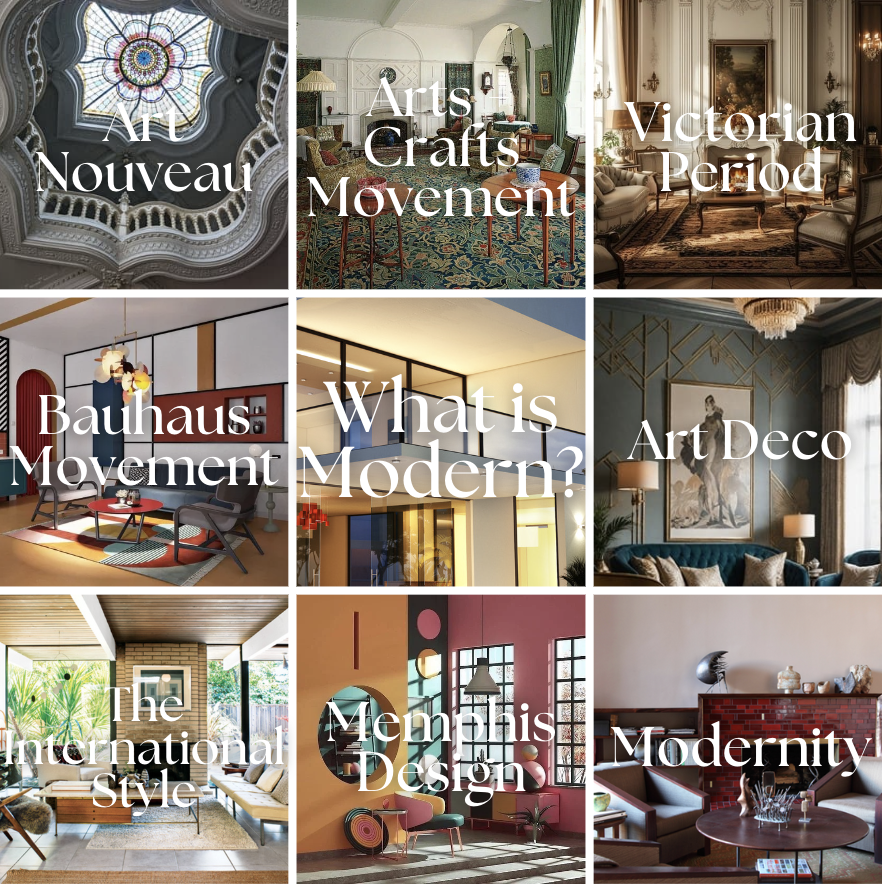
For example, the organic, flowing lines of Art Nouveau, which lasted 20 years between 1890 and 1910, were considered modern. The Arts & Crafts Movement from 1880 through the early 1920s was a modern break from the Victorian period. The list goes on to include the Bauhaus movement, Art Deco, The International Style and Memphis Design.
Read the full article HERE!
About Carl Dellatore & Associates – provides designers, architects, and creatives with writing, editing, and copyediting services by an established team to effectively reveal your story.